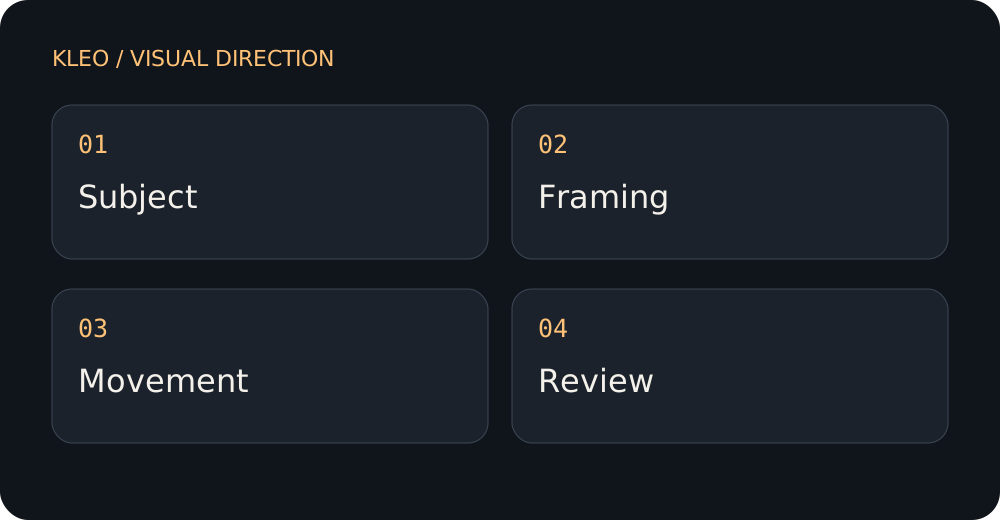
A practical method
- Describe the role of imagery: illustrative, fictional or tied to a documented event.
- Compare how each look changes the viewer's expectations.
- State the chosen look consistently in the approved brief.
An example brief to adapt
Compare two written directions for a fictional lost-letter story: realistic atmosphere and simplified animation. Discuss which better emphasizes the letter's journey rather than visual spectacle. Do not render either option until I choose one and approve the cost.
Review before moving on
- Does the look fit the subject?
- Could imagery be mistaken for documentation?
- Are disclosure needs considered?
Record a concrete observation beside each check: a line in the treatment, a source passage or a timestamp in the downloaded film. If you cannot inspect an item yet, leave it open. A request in a brief is an intention; the result is what must be reviewed.
Download this guide’s editable text worksheet
What to avoid
Selecting a realistic look does not make a scene authentic footage. Avoid presenting invented visuals as proof that a real event happened exactly as shown.
Sources and scope
The method and fictional brief are original editorial guidance for planning and review. They do not establish a measured performance gain or guarantee a particular render. Product statements follow Kleo’s public pages, checked on 2026-09-23; official platform guidance is linked where relevant.
- Kleo FAQ — Product capabilities and limitations; reconfirm before production.
- Kleo pricing — Current starter offer, product conditions and quoted credit costs.
See the published Kleo examples to inspect actual showcased work. Example films may reflect a different production setup; check the current offer for your own job.