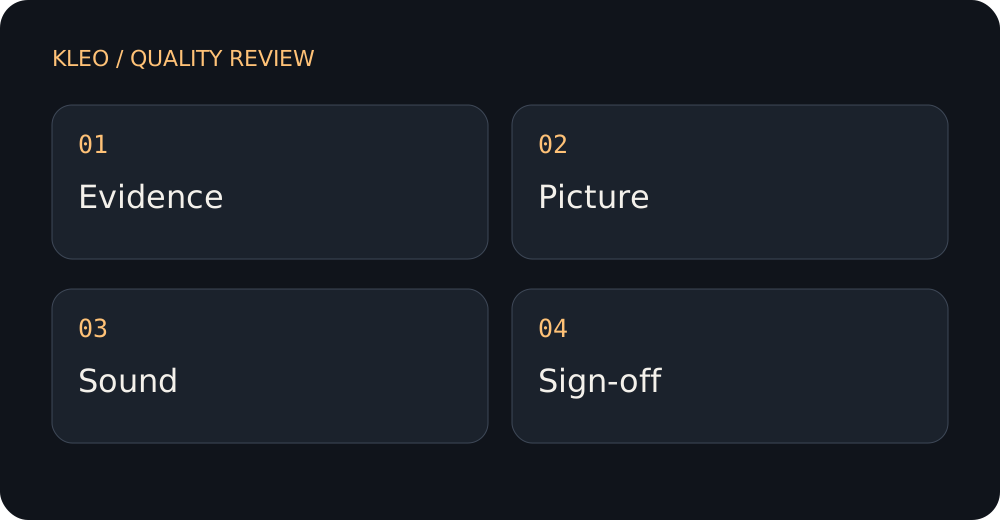
A practical method
- List factual statements in the final narration.
- Compare each one with the approved source material.
- Watch for visual claims, including invented charts, uniforms or event details.
An example brief to adapt
Build a claim-review sheet from my narration. Use columns for the statement, supporting source, qualification and approval status. Flag unsupported claims instead of supplying plausible replacements. I will separately check the rendered pictures for misleading implications.
Review before moving on
- Does the final wording match the source?
- Are dates and units correct?
- Do visuals imply unverified facts?
Record a concrete observation beside each check: a line in the treatment, a source passage or a timestamp in the downloaded film. If you cannot inspect an item yet, leave it open. A request in a brief is an intention; the result is what must be reviewed.
Download this guide’s editable text worksheet
What to avoid
A citation at the end does not validate every scene. Check each consequential claim, especially when the film concerns real people, history or technical matters.
Sources and scope
The method and fictional brief are original editorial guidance for planning and review. They do not establish a measured performance gain or guarantee a particular render. Product statements follow Kleo’s public pages, checked on 2026-09-23; official platform guidance is linked where relevant.
- Kleo FAQ — Product capabilities and limitations; reconfirm before production.
- Kleo pricing — Current starter offer, product conditions and quoted credit costs.
See the published Kleo examples to inspect actual showcased work. Example films may reflect a different production setup; check the current offer for your own job.