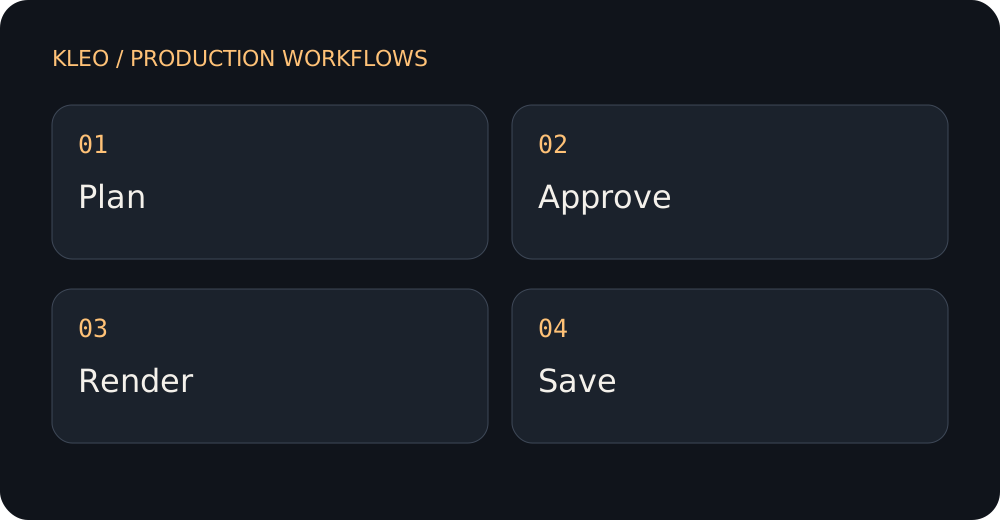
A practical method
- Divide the subject into a few non-overlapping questions.
- Give each section a clear visual purpose and transition.
- Read the full narration for repetition before approving the treatment.
An example brief to adapt
Outline a three-minute narrated explainer from my supplied source pack. Use an opening question, three connected sections and a concise conclusion. Explain what each section adds. Keep the visuals illustrative and flag any facts missing from the sources before production.
Review before moving on
- Does each section advance the explanation?
- Is the opening proportionate?
- Does the request fit the current duration limit?
Record a concrete observation beside each check: a line in the treatment, a source passage or a timestamp in the downloaded film. If you cannot inspect an item yet, leave it open. A request in a brief is an intention; the result is what must be reviewed.
Download this guide’s editable text worksheet
What to avoid
A sequence of unrelated mini-essays can feel longer than its running time. Remove repeated definitions and maintain one overall question through the film.
Sources and scope
The method and fictional brief are original editorial guidance for planning and review. They do not establish a measured performance gain or guarantee a particular render. Product statements follow Kleo’s public pages, checked on 2026-09-23; official platform guidance is linked where relevant.
- Kleo FAQ — Product capabilities and limitations; reconfirm before production.
- Kleo pricing — Current starter offer, product conditions and quoted credit costs.
See the published Kleo examples to inspect actual showcased work. Example films may reflect a different production setup; check the current offer for your own job.