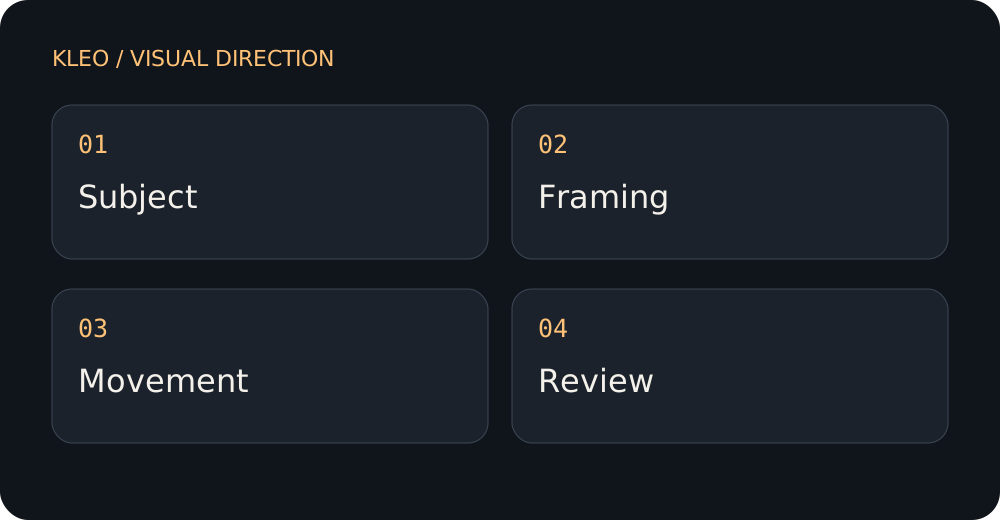
A practical method
- Identify the essential subject and keep its action readable in a narrow frame.
- Reduce competing background elements.
- Leave room for any captions or interface overlays added during publishing.
An example brief to adapt
Plan a 9:16 animation of a gardener lifting a small plant onto a shelf. Keep the face, hands and plant visible together. Avoid a wide row of important objects across the frame. Describe a final shot that still reads on a phone.
Review before moving on
- Is the main action visible without cropping?
- Are important details near risky edges?
- Has the upload preview been checked?
Record a concrete observation beside each check: a line in the treatment, a source passage or a timestamp in the downloaded film. If you cannot inspect an item yet, leave it open. A request in a brief is an intention; the result is what must be reviewed.
Download this guide’s editable text worksheet
What to avoid
There is no single safe-area measurement for every app and device. Preview the finished video on the destination platform before committing to text placement.
Sources and scope
The method and fictional brief are original editorial guidance for planning and review. They do not establish a measured performance gain or guarantee a particular render. Product statements follow Kleo’s public pages, checked on 2026-09-23; official platform guidance is linked where relevant.
- Kleo FAQ — Product capabilities and limitations; reconfirm before production.
- Kleo pricing — Current starter offer, product conditions and quoted credit costs.
See the published Kleo examples to inspect actual showcased work. Example films may reflect a different production setup; check the current offer for your own job.