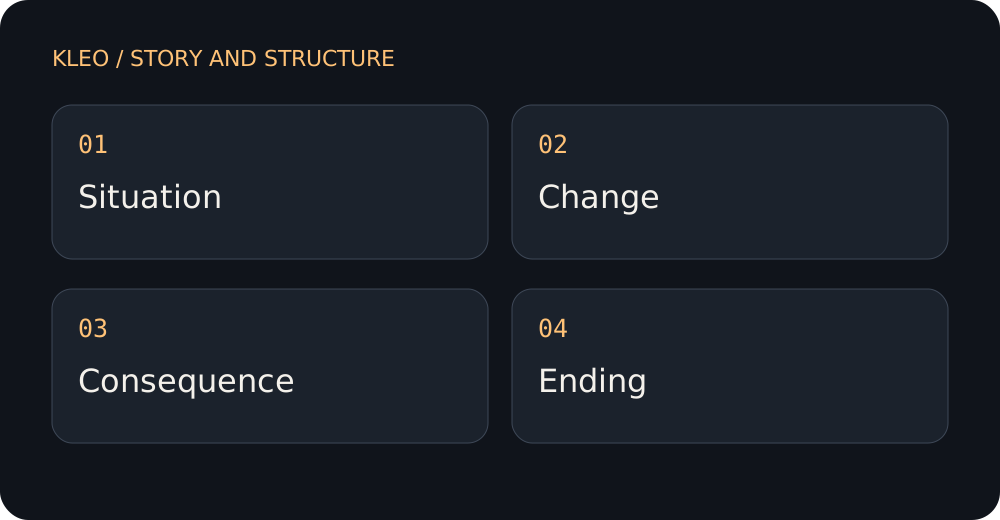
A practical method
- Write because or therefore between consecutive scenes.
- Identify any transition that only means and then.
- Add the missing action or remove the disconnected scene.
An example brief to adapt
Plan a 45-second animation about a gardener rescuing a dry seedling. The watering can is empty, so she collects rain in a cracked bowl; the bowl leaks, so she carries the seedling to the shelter instead. Keep the resolution connected to her decisions.
Review before moving on
- Why does each scene happen now?
- Can the viewer infer the connection?
- Does narration explain rather than conceal missing action?
Record a concrete observation beside each check: a line in the treatment, a source passage or a timestamp in the downloaded film. If you cannot inspect an item yet, leave it open. A request in a brief is an intention; the result is what must be reviewed.
Download this guide’s editable text worksheet
What to avoid
Do not use narration to claim that one event caused another when the visuals show no relationship. Revise the storyboard before adding more explanatory words.
Sources and scope
The method and fictional brief are original editorial guidance for planning and review. They do not establish a measured performance gain or guarantee a particular render. Product statements follow Kleo’s public pages, checked on 2026-09-23; official platform guidance is linked where relevant.
- Kleo FAQ — Product capabilities and limitations; reconfirm before production.
- Kleo pricing — Current starter offer, product conditions and quoted credit costs.
See the published Kleo examples to inspect actual showcased work. Example films may reflect a different production setup; check the current offer for your own job.