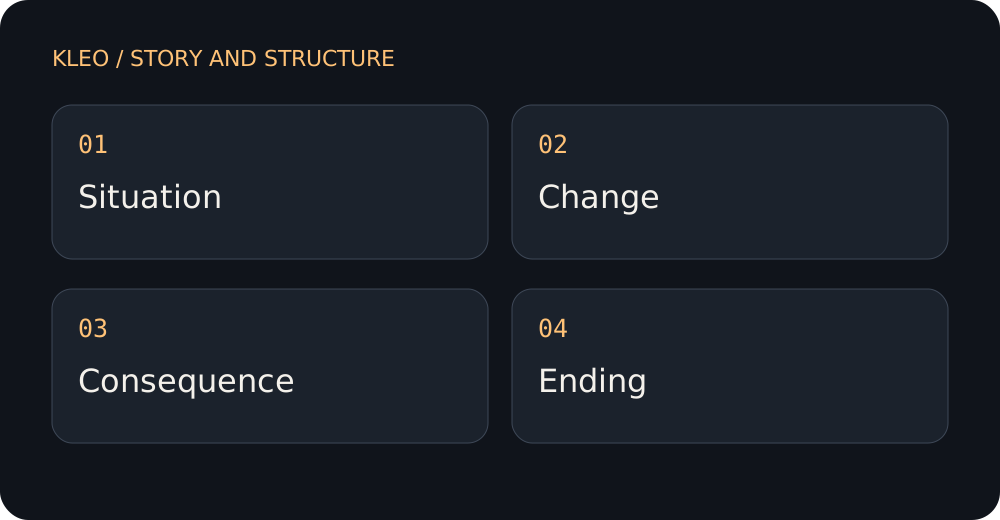
A practical method
- Choose one recurring visual element.
- Introduce it clearly while it still has an ordinary purpose.
- Change its context in the last scene to complete the idea.
An example brief to adapt
In a 30-second animation, show a spare chair beside a solitary chess player. Return to the chair in the ending when a neighbor sits down. Keep the chair's color and position recognizable. Let the narrator say less at the final moment.
Review before moving on
- Was the setup visible?
- Is the returning element recognizable?
- Does its new context complete the story?
Record a concrete observation beside each check: a line in the treatment, a source passage or a timestamp in the downloaded film. If you cannot inspect an item yet, leave it open. A request in a brief is an intention; the result is what must be reviewed.
Download this guide’s editable text worksheet
What to avoid
Adding an important object only in the last shot makes the ending feel arbitrary. Seed the object naturally and review its continuity across the rendered scenes.
Sources and scope
The method and fictional brief are original editorial guidance for planning and review. They do not establish a measured performance gain or guarantee a particular render. Product statements follow Kleo’s public pages, checked on 2026-09-23; official platform guidance is linked where relevant.
- Kleo FAQ — Product capabilities and limitations; reconfirm before production.
- Kleo pricing — Current starter offer, product conditions and quoted credit costs.
See the published Kleo examples to inspect actual showcased work. Example films may reflect a different production setup; check the current offer for your own job.