Choose the decision you need to make
Publishing is part of the production process. The title, thumbnail and description create expectations that the film must meet. Keep source links and credits traceable, and check the destination platform’s current requirements before upload. Kleo’s public workflow supplies a downloadable result; you decide what to publish and when. The guides here distinguish practical editorial advice from platform rules, with links to official guidance where a rule is discussed.
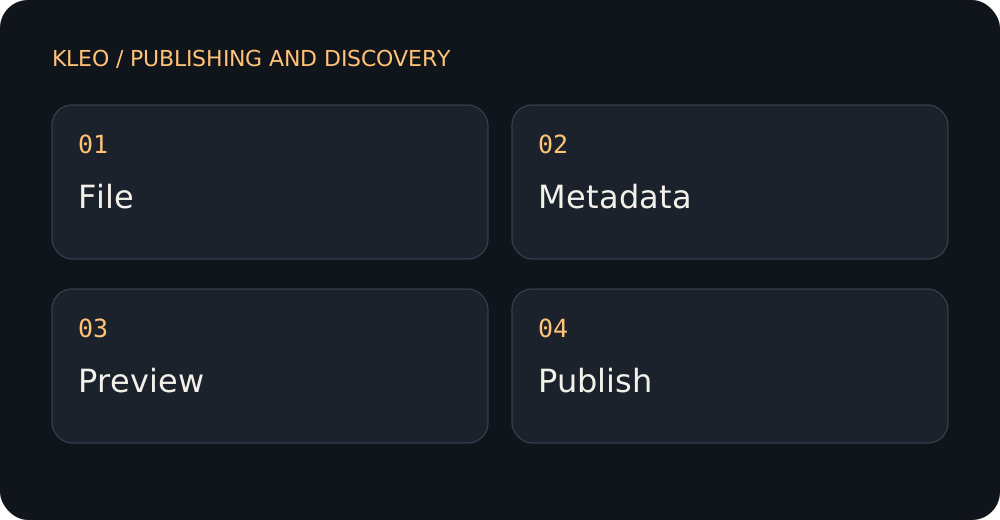
Publishing on YouTube includes reviewing the final file and completing the platform's upload settings. Kleo's public workflow provides a downloadable result; it does not publish to your channel automatically.
YouTube's current guidance categorizes eligible square or vertical uploads up to three minutes as Shorts. Kleo offers a vertical 9:16 option; choose the duration and framing deliberately, then check current YouTube requirements at upload time.
A useful title identifies the actual subject and gives a truthful reason to watch. Curiosity can help, but the film should deliver what the title promises rather than rely on an exaggerated result or an absent feature.
A video description can help viewers find the original evidence, credits and next step. Put the main context first, then organize source links so readers can connect them with the claims in the film.
Captions need to reflect the actual audio and remain synchronized with it. Plan a reviewed captioning step in your publishing workflow instead of assuming a generated video automatically supplies accurate, ready-to-use captions.
A thumbnail should communicate the film's actual subject through a clear image. Use a genuine frame or an honest illustrative design; avoid depicting a result, interface or person the video does not substantiate.
YouTube provides a disclosure process for certain meaningfully altered or synthetic content. Whether a particular film requires disclosure depends on its content and the current policy; review the official guidance rather than treating all AI use as identical.
Published videos can outlive the pages they cite. Keep a record of what supported the film and check important links when updating descriptions or responding to questions.
Changing aspect ratio can remove story information from the frame. Decide whether a crop, an edited layout or a newly planned version best preserves the action; do not assume a landscape film will become a clear Short automatically.
Series navigation helps a viewer understand where to start and what to watch next. Use clear episode titles and descriptions that explain each video's distinct question rather than relying only on numbered labels.
Performance review should separate observations from explanations. A title change, a different topic and a new publishing time can occur together, so a higher view count alone does not identify what caused the difference.
Move through the production
Browse all production topics or read the complete Kleo workflow. Choose guides by the decision at hand, then keep your approved choices with the project.