Choose the decision you need to make
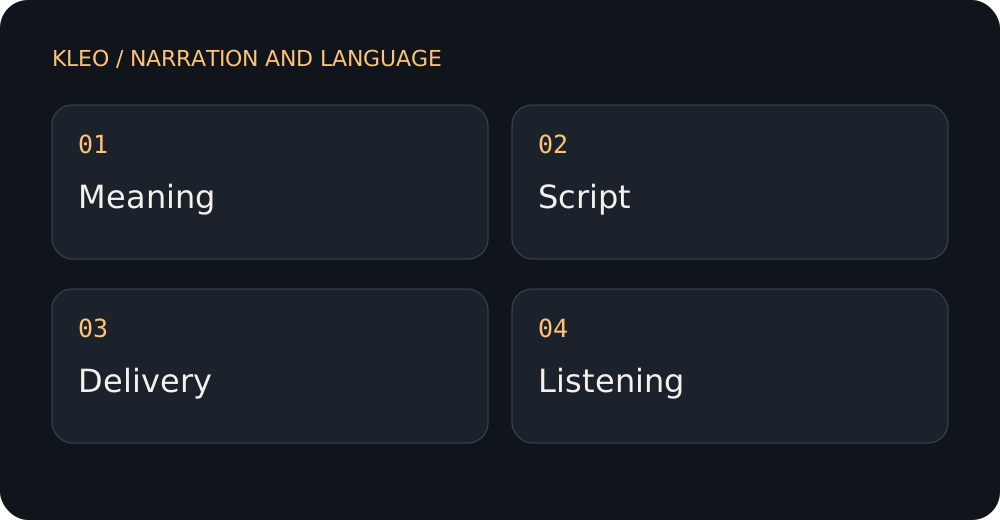
A narration draft has to work when heard once, at the pace of the pictures. Start with meaning and factual accuracy before adjusting tone. Kleo currently advertises one narrator in English or Italian; check the current options before promising another language or multiple acted voices. The guides separate writing decisions from audio verification. A script can look correct while its generated delivery contains a mispronounced name, a lost word or an awkward pause.
Narration is heard in sequence, so listeners cannot easily scan back through a dense sentence. Use clear clauses, concrete words and a deliberate order; reading the draft aloud reveals problems a silent review can miss.
Narration timing should be checked by speaking the actual text, including pauses and unfamiliar names. A word-count estimate is a planning aid; it cannot guarantee how a generated voice will time a specific script.
Proper names, abbreviations and borrowed words need special attention because a fluent voice can pronounce them incorrectly. Keep a pronunciation note and have a competent speaker review important or culturally specific wording.
A spoken number needs a unit, context and enough time to register. Choose the level of precision that supports the explanation while preserving what the source actually says.
Narration and images should contribute complementary information. The voice can explain why an action matters while the picture shows what is happening, instead of both repeating the same obvious detail.
A dialogue-heavy script can become a narrated account by preserving the decisions and tensions while reducing direct exchanges. Do not assume a one-narrator workflow will provide distinct acted character voices or accurate lip synchronization.
An Italian version needs a fresh language and timing review, not only a word-for-word replacement. Kleo's public site lists Italian narration; confirm the current options when starting a job and review the resulting audio.
A narration tone is easier to direct with examples of sentence style and emotional intensity. Words such as premium or epic are too broad to resolve whether the narrator should sound intimate, explanatory or urgent.
Pauses give the viewer time to understand an action, absorb a statement or anticipate an ending. Treat them as part of the running time rather than empty space to fill with more words.
Spoken attribution identifies whose evidence or interpretation supports a claim. Use it where ownership or uncertainty matters, and put full links in accompanying publication materials rather than reading a long URL aloud.
An audio review checks meaning, intelligibility and continuity across the whole film. Listen without watching once, then compare sound and picture; different passes reveal different problems.
Move through the production
Browse all production topics or read the complete Kleo workflow. Choose guides by the decision at hand, then keep your approved choices with the project.